
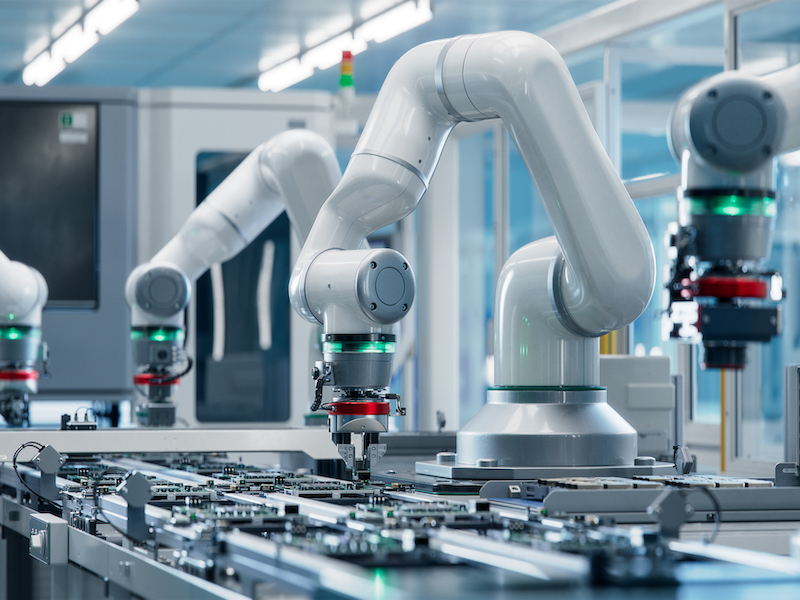
One of the purported goals of recent U.S. trade policy is to rejuvenate domestic manufacturing — but, in a new report, Fitch Ratings said technological progress is the central reason behind the sector’s declining share of GDP, and that’s unlikely to be reversed with tariffs.
The rating agency said the U.S. administration has frequently cited boosting U.S. manufacturing capacity and jobs as a central justification for raising tariffs — in the hope that costlier imports cause firms to opt for domestic production instead.
However, Fitch said its analysis finds that technology-driven productivity gains over the past 50 years have been the key driver of the decline in the manufacturing sector’s share of GDP and employment.
“This fundamental technological trend is unlikely to be affected much by higher tariffs,” it said.
While the manufacturing sector’s share of nominal GDP has dropped from about 25% in 1960 to closer to 10% today, the report noted that, “The share of manufacturing in real GDP is the same now as in 1960.”
Indeed, real GDP and real manufacturing output have both risen by about 550% over that period, it reported.
“The contrast between the trend in the manufacturing share in nominal versus real terms reflects a fall in the relative price of manufacturing output,” Fitch said — which, in turn, reflects faster growth in manufacturing productivity.
“Average hourly wages in manufacturing and the economy as whole have moved in lockstep, but the amount of labour needed to produce a given level of output has fallen much more quickly in manufacturing,” it said.