
As part of an effort to reshape financial regulation, U.S. banking regulators are proposing rules that would eliminate reputational risk as a supervisory issue, and focus their work on material financial risks.
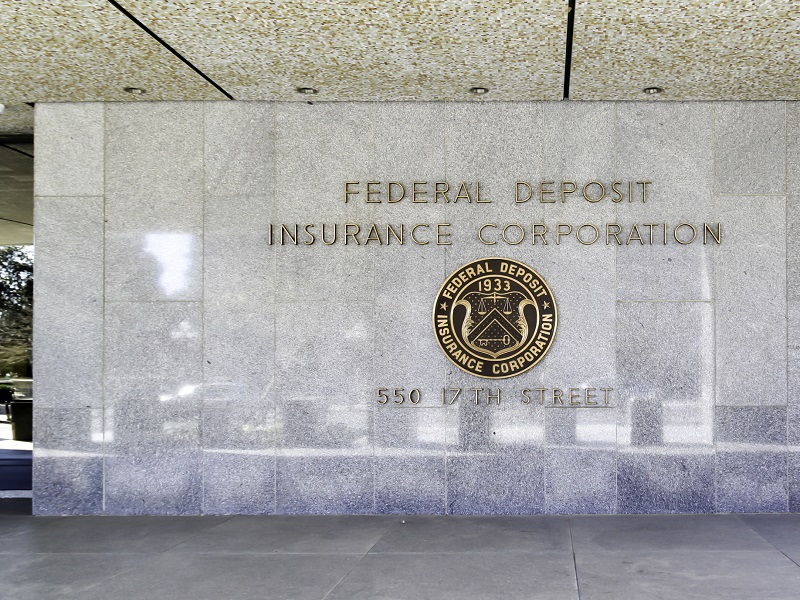
In a joint notice, the Federal Deposit Insurance Corp. (FDIC) and the Office of the Comptroller of the Currency (OCC) are proposing rules that would define reputation risk, and prohibit the agencies from taking action against a financial institution on the basis of these risks.
Additionally, the proposed rule aims to address the alleged issue of banks refusing to provide services to individuals, companies or organizations based on their political beliefs, among other considerations. In August, an executive order called for an end to the so-called “debanking” of MAGA-affiliated groups and people based on reputational concerns for the banks.
Today, the regulators proposed rules that would prohibit them from demanding that a financial institution close customer accounts, or take other actions, on the basis of perceived reputational risk.
At the same time, in a separate joint notice, the agencies also proposed rules that are intended to focus their compliance efforts on material financial risks by, among other things, establishing a uniform definition for “unsafe or unsound practice” and restricting their compliance and enforcement work to activities that meet that definition.
The proposal aims to address the lack of a federal statutory definition for unsafe, or unsound, activities that, the regulators said, “has resulted in enforcement actions and supervisory criticisms for concerns not related to material financial risks.”
“[T]he proposed rule would promote greater clarity and certainty regarding certain enforcement and supervision standards and ensure bank supervisors prioritize concerns related to material financial risks over those regarding policies, process, documentation and other non-financial risks,” they said.
The proposed rules will be out for comment for 60 days after they are published in the Federal Register.