
Six and a half decades ago, a German-American economist and professor named Theodore Levitt wrote an article that remains the best-selling and most republished in the history of the Harvard Business Review.
“Every major industry was once a growth industry,” Levitt wrote, in “Marketing Myopia.” “But some that are now riding a wave of growth enthusiasm are very much in the shadow of decline.”
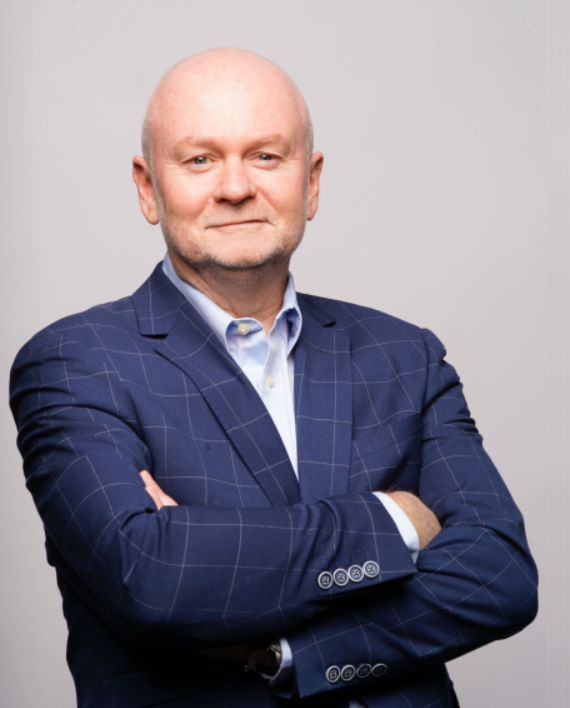
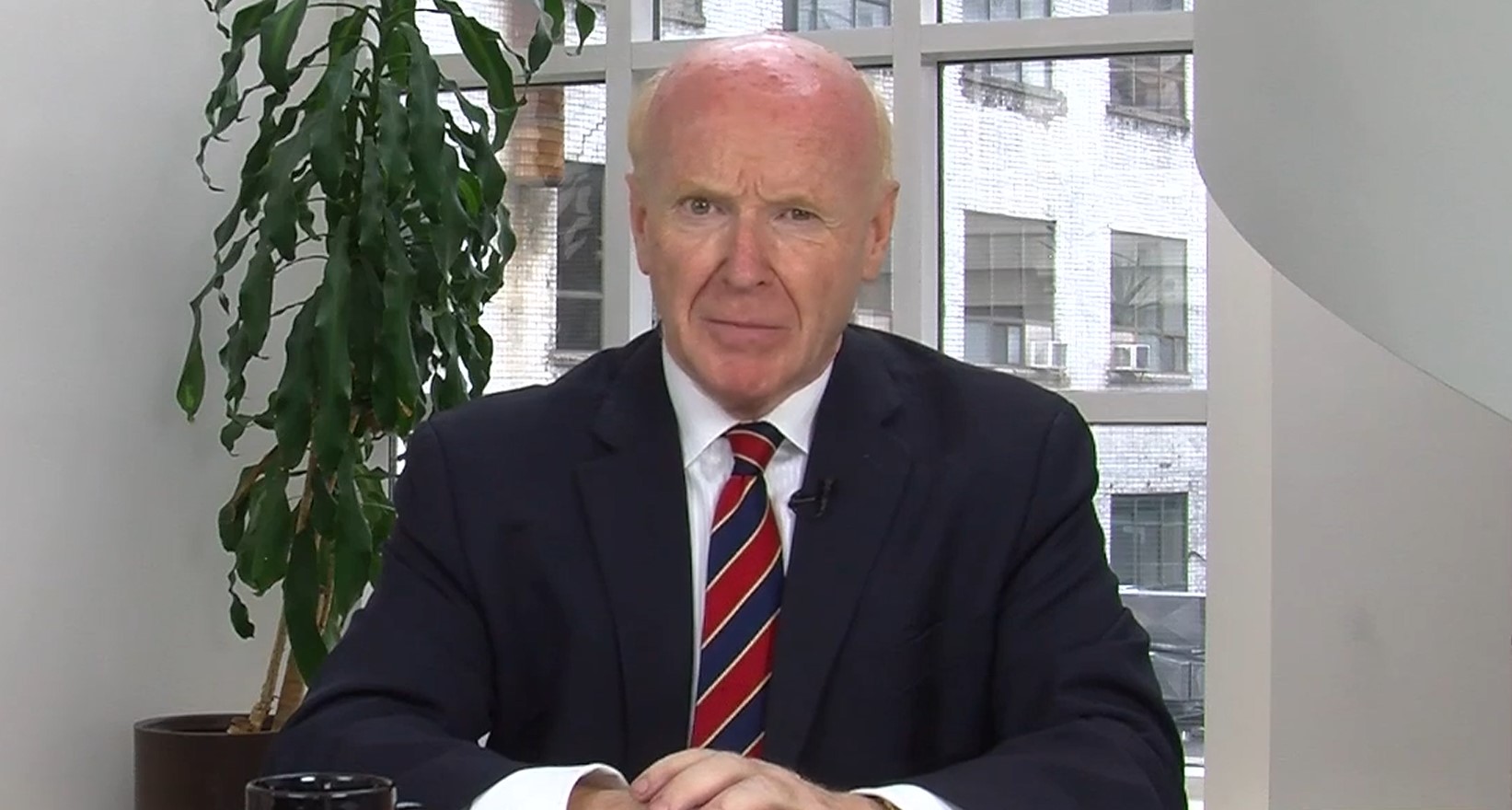
On this week’s edition of the Canadian Advisor.cast, longtime financial advisor consultant, marketing professor and Harvard Business School alumnus Dan Richards says financial services leaders would do well to dust off that classic piece of business writing.
“The train industry was one of the most profitable at the turn of the 20th century,” he said. “How did it go off the rail, so to speak? The automobile came along.”
It’s not just about how executives react to unconventional competitors; it’s how they think about their relationship with customers and the value they deliver.
“A lot of financial advisors say, ‘I’m in the business of providing advice, getting returns, building portfolios, managing risk or optimizing taxes,'” Richards said. “The large majority of Canadian investors say, ‘What I’m really looking for is a sense that I have a plan that’s going to get me where I want to go, that I’m going to be in control of my financial future.'”
Like a lot of professionals, advisors confuse process with outcomes. “That is a big blind spot for the industry,” he said. “It creates a very big vulnerability if there’s a new alternative that comes along — someone like Wealthsimple.”
(Disclosure: Wealthsimple was a client of mine when I ran a communications consultancy, prior to joining Investment Executive.)
A little more than 11 years since its launch, the Toronto-based fintech reported $100 billion in assets under administration at the end of 2025. It serves about three million Canadians with a range of investing, tax filing, savings and corporate services.
And it’s recruiting advisors. Backed by an ownership group that includes Power Corporation of Canada, its IGM Financial arm and a host of institutional investors, Wealthsimple isn’t poised to disrupt the Canadian financial services industry. The game is on.
“I’m in touch with a lot of my former students who are now in their late 20s, 30s, early 40s,” Richards said. “They’re starting to get significant wealth. And when I talk to them, most of them are dealing with Wealthsimple.”
He told me about a young couple who’d met while studying at Rotman, just before the pandemic. They’ve been diligent about paying off their student debt and they bought a house together. Despite having already earned senior roles and having bright careers ahead of them, right now they’ve only got about $100,000 in investible assets.
“It wasn’t enough,” Richards said. “The financial advisor … might have been willing to accept them as a client, but wouldn’t be able to do a plan. That’s a bit of an indictment — that’s short-term thinking.”
Guess which Power Corporation-backed fintech that couple went to?
The myopia that Levitt wrote about in 1960 is alive and well. Like the Eastman Kodak Company and its dismissal of the digital camera, Canada’s advisory firms are telling would-be clients that they don’t want their business — that a fintech is the place to be, for now at least. Thanks for thinking of us, and please come back when you have more money.
“There is a real risk to the financial industry that we’re going to wake up and discover that we’ve lost a generation of younger, ambitious, successful Canadians,” Richards said.
Canadian Advisor.cast is available in both video and audio formats, via Advisor.ca, Spotify, Apple Podcasts and YouTube.