


(Runtime: 4:54. Read the audio transcript.)
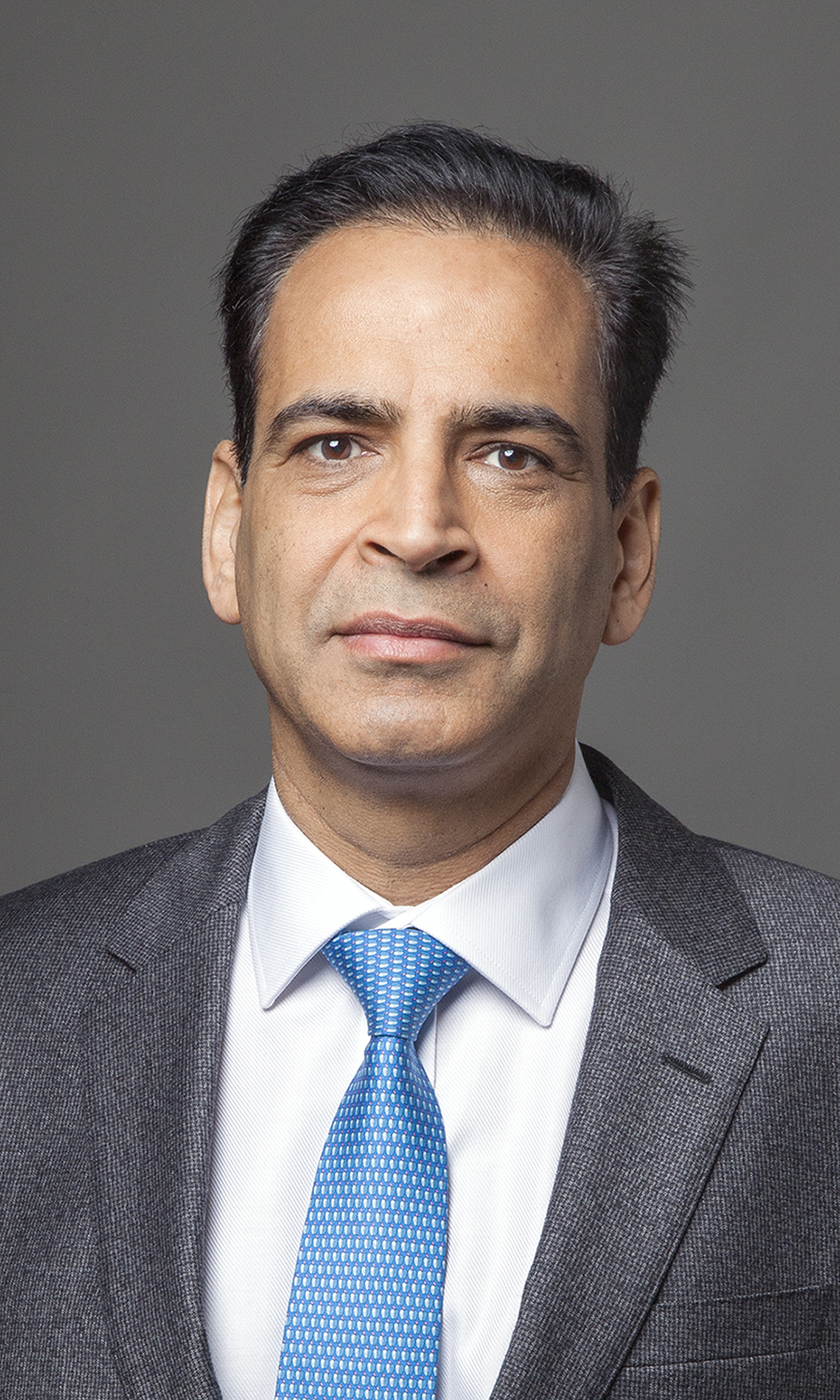
International markets are poised to outperform U.S. markets over the next 12 to 18 months, says Vivek Gandhi of Putnam Investments.
The London, U.K.-based portfolio manager said Europe and Asia are particularly well-positioned in sectors that are expected to thrive as the Covid pandemic passes, giving them an edge over the U.S.
“As we go through this year and the demand recovery comes through, the goods you’re going to consume, the things you’re going to buy [are] mostly coming out of international markets,” he explained.
Gandhi said the U.S. is stronger in technology and health care — sectors that benefited from lockdowns and a pandemic. These sectors constitute 40% of the U.S. benchmark, and only 20% of the international benchmark.
Conversely, the sectors expected to do well in the coming recovery — materials, industrials and financials — make up 40% of international benchmarks and only 20% of the U.S. benchmark.
“Just that mix effect is going to benefit international markets,” he said.
In addition to the sector advantage, international markets currently boast attractive valuations, he said.
Europe, for example, which faced de-rating and earnings underperformance during Covid, is now discounted 20% on a P/E basis — which is more than its usual discount.
“As the year progresses, and if my thesis comes true, you’ll have earnings recovery, which is going to be faster given the exposure to a sector that that will benefit most from reopening, and you will also have some re-rating. So that will help Europe to outperform the U.S.,” he said. “And it’s the same case with Japan.”
Add to that a turning tide of foreign flows into international markets, and the stage is set for a standout year for foreign economies.
“Across global markets, monetary policies remain accommodative, fiscal policies are very supportive, and there is a successful vaccine rollout in progress. So, in my view, this is a triple stimulus,” he said. “This is positive for the market and I believe it will be a good year for international stocks.”
Gandhi said he is drawn to high-profitability businesses, regardless of location. Among the companies he’s particularly impressed with are:
- Sony Corp., a global leader in entertainment and gaming.
- Asahi Group Holdings, a Japan-based brewery with impressive market share in Australia and eastern Europe.
- Prudential plc, a U.K.-based life insurer with top-three positions in nine out of 13 fast-growing Asian markets.
- Diageo plc, a U.K.-based global spirits business that includes brands like Johnnie Walker, Don Julio, Casamigos tequila and Tanqueray gin. It has 40% exposure to the U.S., roughly 20% to Europe, and 20% to Asia.
- India-based Tata Consultancy Services, a software company with a market cap that rivals that of Ireland–based Accenture.
- South Korea’s LG Chem, which has a strong and growing position in the electric vehicle battery market.
“These companies are selling shovels in a gold rush,” Gandhi said. “From a stock picker’s perspective, the greatest benefit of going into international investing is the choice set. We have [a] large number of companies and diversity of economies to choose from.”
He added that rising interest rates could also favour international markets.
“To the extent the curve moving up is a reflection of demand coming back, that’s good for Asia. They have traditionally been exporting nations, so that’s good for their external accounts,” he said.
For Gandhi, detailed stock analysis always trumps market positions based on philosophy or geography. The aim, he said, is not to toggle between styles like growth and value, but rather to aim for diversified exposure.
“The reason I’m not a big fan of the growth-versus-value debate is the narrow definition which many people rely upon,” he said. For example, low price-to-book penalizes companies that have high return on capital employed, have a capital- or asset-light model, are building intangibles such as brand or intellectual property or are buying back shares, he explained.
“All these things are attractive characteristics,” he said. “To penalize these companies because they’re high price-to-book just doesn’t seem right.”
Gandhi said he chooses to focus on the quality dimension for its enduring nature: “It works less well in some phases like strong recovery, very well in others like forward trends, but generally works through economic cycles.”
**
This article is part of the Soundbites program, sponsored by Canada Life. The article was written without sponsor input.