


Funds
Fonds
(Runtime: 6:00. Read the audio transcript.)
**
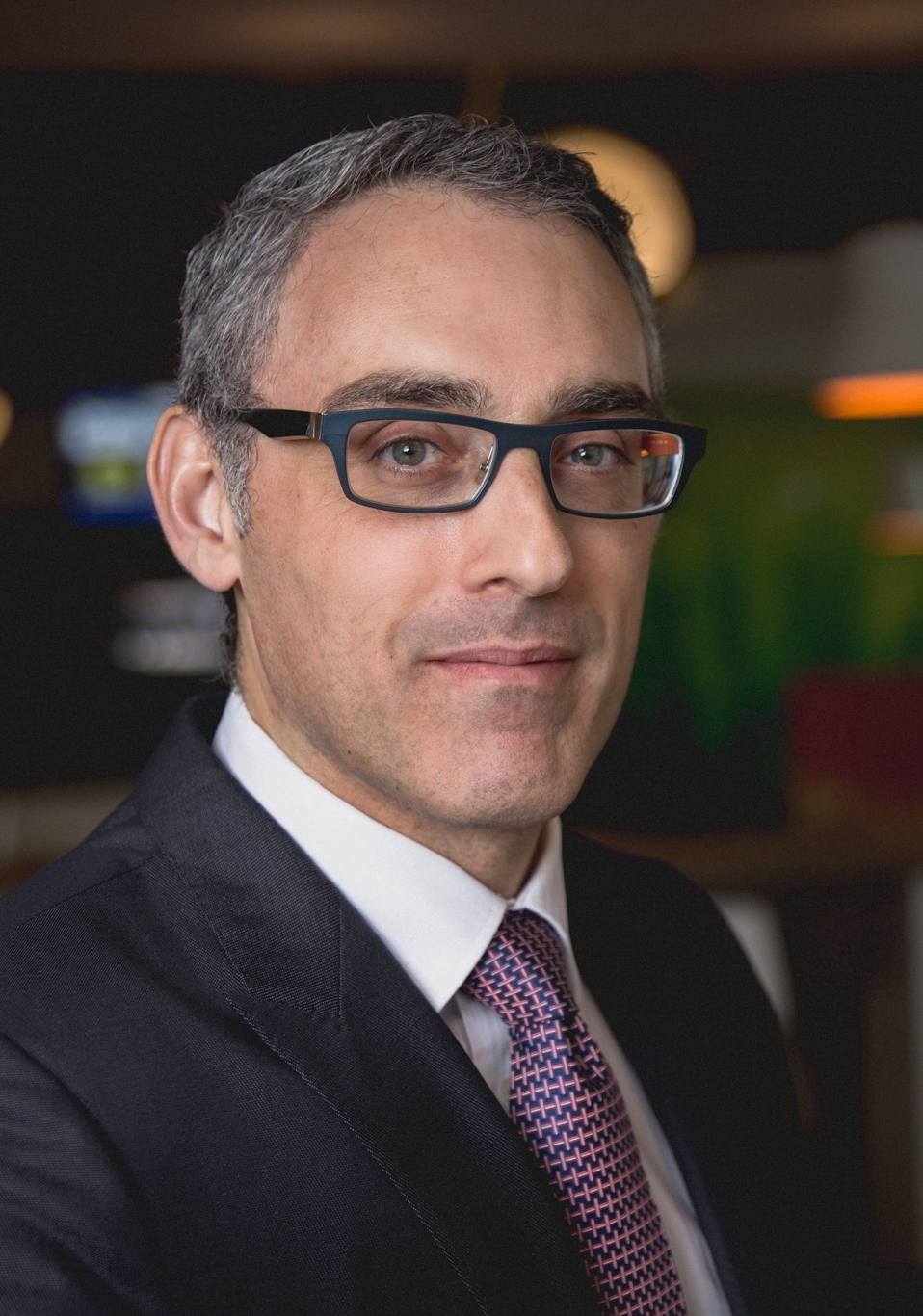
The first quarter of 2026 has confirmed a regime shift that has been building for the past several years, says Corrado Tiralongo, chief investment officer with Canada Life Investment Management.
Speaking on the Soundbites podcast this week, Tiralongo said it is a shift that could ultimately leave the global economy less efficient, fragmented and more volatile.
“We’re moving away from a world where markets are primarily driven by demand cycles and central bank timing, toward one where supply shocks, geopolitics and structural constraints are playing a much bigger role,” he said.
Markets are still functioning, he added, but they’re driven by a different set of forces, with less reliable diversification and more sensitivity to expectations. The ongoing war in the Middle East has only confirmed the move of geopolitics from the background to the foreground.
“Energy, supply chains, semiconductors and defence spending are now central to market outcomes,” he said. “That has led to a different kind of market behaviour, with more abrupt repricing, more dispersion and a wider range of outcomes.”
According to Tiralongo, that has big implications for the traditional diversification playbook.
“Bonds, for example, have been less reliable as a hedge,” he said. “We’ve seen periods where yields have moved higher at the same time as equities have sold off, particularly during energy-driven inflation shocks. This reflects a combination of rising term premiums and persistent inflation uncertainty.”
Though fixed income will likely continue to provide income and diversification over time, it may no longer act as the shock absorber that investors have become accustomed to since the Great Financial Crisis.
Portfolio construction
“We’re facing a more complex economic environment,” he said. “For investors, the challenge isn’t just identifying where risks exist, it’s understanding how those risks are being priced, and how they behave if expectations change.”
He said that as markets become constraint-driven, the focus of portfolio construction must shift from prediction to resilience, he said.
“Drawdowns are less likely to come from unknown risks, and more likely to come from known risks that were simply priced too optimistically,” he said.
For advisors, that moves the discussion away from macro predictions and toward portfolio design under uncertainty. In such an environment, financial advisors will have to manage the consequences of being wrong by:
- Managing concentration risk within equities;
- Using multi-factor strategies to balance exposures;
- Incorporating liquid alternatives like managed futures and risk parity; and
- Being more aware of liquidity dynamics.
“Markets typically don’t break on surprises,” he said, “they break when expectations aren’t met.”
**
This article is part of the Soundbites program, sponsored by Canada Life. The article was written without sponsor input.