
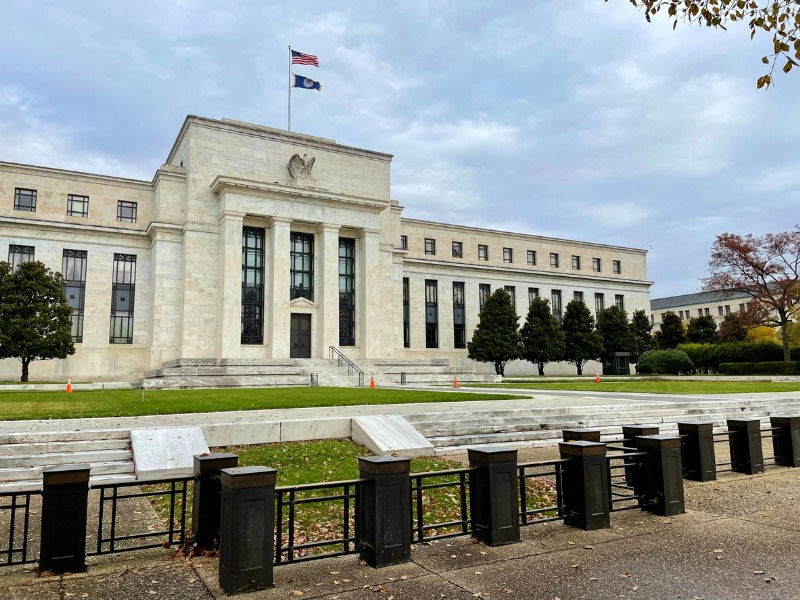
The Senate has approved one of U.S. President Donald Trump’s top economic advisers for a seat on the Federal Reserve’s governing board, giving the White House greater influence over the central bank just two days before it is expected to vote in favour of reducing its key interest rate.
The vote to confirm Stephen Miran was largely along party lines, 48-47. He was approved by the Senate Banking Committee last week with all Republicans voting in favour and all Democrats opposed.
Miran’s nomination has sparked concerns about the Fed’s independence from day-to-day politics after he said during a committee hearing earlier this month that he would keep his job as chair of the White House’s Council of Economic Advisers, though he would take unpaid leave. Senate Democrats said such an arrangement was incompatible with an independent Fed.
Senate Democratic Leader Chuck Schumer said ahead of the vote that Miran “has no independence” and would be “nothing more than Donald Trump’s mouthpiece at the Fed.”
The vote was along party lines, with Alaska Sen. Lisa Murkowski the only Republican to oppose Miran.
Miran is completing an unexpired term that ends in January, after Adriana Kugler unexpectedly stepped down from the board Aug. 1. He said if he is appointed to a longer term he would resign from his White House job. Previous presidents have appointed advisers to the Fed, including former chair Ben Bernanke, who served in president George W. Bush’s administration. But Bernanke and others left their White House roles when joining the board.
Miran said during his Sept. 4 hearing that, if confirmed, “I will act independently, as the Federal Reserve always does, based on my own personal analysis of economic data.”
Last year, Miran criticized what he called the “revolving door” of officials between the White House and the Fed in a paper he co-wrote with Daniel Katz for the conservative Manhattan Institute. Katz is now chief of staff at the Treasury Department.
Miran’s approval comes as Trump’s efforts to shape the Fed have been dealt a setback elsewhere. He has sought to fire Fed governor Lisa Cook, who was appointed by former president Joe Biden to a term that ends in 2038. Cook sued to block the firing and won a first round in federal court, after a judge ruled the Trump administration did not have proper cause to remove her.
The administration appealed the ruling, but an appeals court rejected that request late Monday.
Members of the Fed’s board vote on all its interest rate decisions and oversee the nation’s financial system.
The jockeying around the Fed is occurring as the economy enters an uncertain period. Inflation remains above the central bank’s 2% target, though it hasn’t risen as much as many economists feared when Trump first imposed sweeping tariffs on nearly all imports. The Fed typically would raise borrowing costs, or at least keep them elevated, to combat worsening inflation.
At the same time, hiring has weakened considerably and the unemployment rate rose last month to 4.3%. The central bank often takes the opposite approach when unemployment rises, cutting rates to spur more borrowing, spending and growth.
Economists forecast the Fed will reduce its key rate after its two-day meeting ends Wednesday, to about 4.1% from 4.3%. Trump has demanded much deeper cuts.