

There was an elephant in the room at that Vanguard Investments Canada event we covered this week.
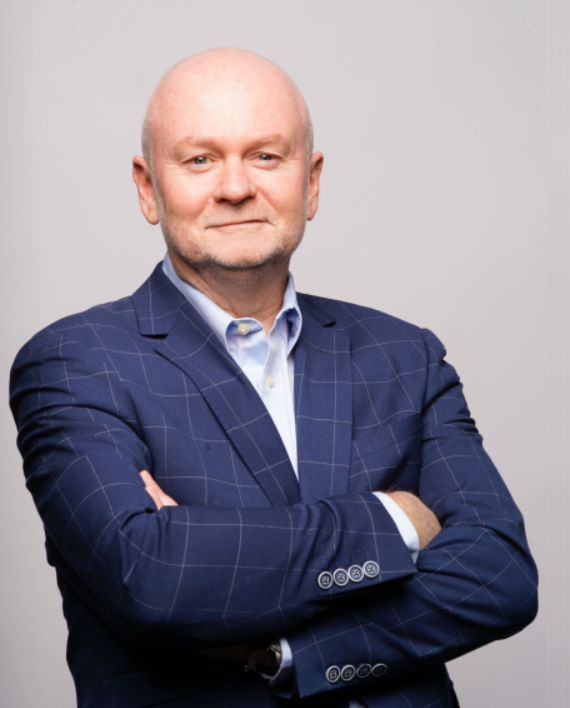
The firm invited reporters to its Toronto offices to hear from Kevin Khang, Vanguard’s head of global economic research and
Khang had flown in from Pennsylvania to talk about the firm’s view on AI and its potential to continue lifting markets across the developed world. But to no one’s surprise, he fielded more questions about this week’s World Economic Forum in Davos and the geopolitical wrecking ball from Washington than he did about AI capital expenditures.
Khang earned a graduate degree in economics at the University of British Columbia before completing his doctorate in finance at Northwestern University. He speaks in a thoughtful, measured tone. As the talk turned to political risk, he reminded us that world affairs tend not to leave a lasting mark on capital markets.
“It’s not a good idea to determine your investments based on the morning headlines,” he said.
If you’re talking to clients who find this hard to believe, tell them about the Geopolitical Risk Index, launched in 2018 by Dario Caldara and Matteo Iacoviello. It measures the economic and market effects of geopolitical crises covered in the news media, dating back to 1900.
Their research shows declines in investment and stock prices following major events such as the First and Second World Wars, the Cuban Missile Crisis and the Sept. 11 terrorist attacks. Markets become more volatile and capital gravitates toward safe havens. The impact on individual equities is often industry-specific. And it doesn’t take an all-out war to trigger these effects — an uptick in aggressive rhetoric can be enough.
Khang is right, though. In this century and the last, at least, the market effects of geopolitical crises have generally been short-lived. Valuations tend to recover over the long term.
Caldara’s and Iacoviello’s work shows something more though.
Persistent geopolitical tensions can affect the real economy. Companies may pull back on investment, employment levels can decline and productivity can suffer. In some cases, cross-border capital flows slow. These effects can linger even after markets have recovered.
The cost of capital can also rise, as investors demand higher returns to compensate for added risk. Correlations across risky assets tend to increase.
One additional nuance. Emerging economies can be less resilient, depending on the circumstances. Don’t assume that these markets will always recover fully. In some cases, investor confidence is damaged for the long term — or permanently. Sometimes capital flees with no intention of returning.
“Markets have been in existence for a long time, through all kinds of regime changes,” Khang said. “Generally speaking, the market tends to reward people who are disciplined about what they’re doing in terms of investments, and don’t try to make sense of each economic and political shift.”