
PAID CONTENT
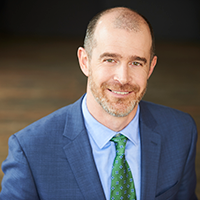
Head of Responsible Investing,
NEI Investments
There’s a difference between investing and stewardship. It’s an important distinction because it can have a significant impact on a portfolio’s resilience and long-term performance.
Investing provides an opportunity to benefit from management’s growth-oriented decisions. It often involves looking at the company through the framework of publicly available information such as income statements and balance sheets. With professional money managers, it may include meeting with management to evaluate their skills and discuss a company’s plans. But, in general, it’s about evaluating a company without influencing the company’s decisions or direction.
Stewardship, on the other hand, is active ownership. It’s a hands-on approach that aims to maximize durable, sustainable returns and protect against risks through strategic proxy voting, corporate engagement and policy and standards advocacy. It aims to create value – rather than just profiting from it – with the goal of improving long-term results for investors.
Jamie Bonham, Head of Responsible Investing at NEI Investments, provides a tangible example of how stewardship can work to boost a company’s profitability and investor performance. His team’s outreach to 87 companies in 2025 included engaging with waste management businesses to turn methane generated by landfills into renewable natural gas (a low-carbon fuel) to power fleets of compressed natural gas vehicles.
“When companies build a circular economy, there’s a clear, practical way forward, not just to get by, but to do well in a low-carbon world,” says Bonham. “In our discussions, we’ve focused on helping them put these plans into action, making sure they invest the money needed to make it happen, and encouraging them to be more ambitious about what’s possible.”
He adds, “What we’re trying to achieve…is a more profitable, more sustainable company that’s going to be around for the long term.”
Promising themes in 2026
There’s a wide universe of potential avenues for stewardship, so every year the NEI team establishes areas of focus — though Bonham emphasizes it’s also important to be ready to adjust to new risks and opportunities as they come along.
In 2026, themes include energy transition, critical minerals, responsible AI, human rights, and executive compensation. The team identified these themes by carefully considering their potential impact on corporate profitability and contribution to systemic risks, as well as NEI’s portfolio exposure to companies associated with the themes.
Energy transition toward better, more efficient, and, ultimately, cheaper sources of power is a macro trend that companies across multiple industries can’t afford to miss out on. Beyond helping to prevent the worst impacts of climate change, this transition represents a tremendous opportunity to power up responsibly while spending less.
Critical minerals are vital to support a wave of new technologies. Extracting them while respecting human rights and nature minimizes the chances that community protests and environmental disasters will slow down progress. From a stewardship perspective, NEI encourages both mining companies and downstream users of mined materials to advocate for the adoption of responsible mining standards and practices.
Using AI responsibly means everything from setting guardrails for developing AI models to ensuring companies are effectively managing AI impacts, especially in high-risk use cases. AI has also made conversations about digital rights and online harms more urgent. In this case, stewardship encompasses advocating for digital companies to address issues related to algorithms and addiction to protect long-term profitability.
Human rights include the health and safety of workers producing goods such as clothing in emerging economies. Part of the solution is responsible oversight of suppliers by retailers. Also important, says Bonham, is examining expectations placed on suppliers that may lead to forced labour, child labour, or unsafe working conditions. Failure to manage risks in this area can affect workforce and stakeholder relationships and drive shareholder value down.
Finally, there’s a trend toward rising executive compensation that may hinder business growth and have broader societal impacts — for example, worsening income inequality, which may undermine economic stability. NEI regularly uses its proxy voting privileges to oppose excessive pay packages. The firm also follows up after the vote to explain its reasoning to companies. Bonham says this encourages dialogue and makes it more likely practices will change.
For NEI, investing for returns and investing for a better future for the world aren’t mutually exclusive. With a well-defined stewardship and corporate engagement process, Bonham and his team are positioning investors for sustainable long-term performance.
“People want to feel [they can] exert control over big systemic risks,” he says. “Stewardship is about reducing risk, and it’s also about embracing opportunities, ensuring the companies you own are positioned to generate strong results for you and having that positive impact in the world that we all want to see.”
For more information, please visit https://www.neiinvestments.com/about/nei-difference.html.
This material is for informational and educational purposes, and it is not intended to provide specific advice, including, without limitation, investment, financial, tax, or similar matters. The views expressed herein are subject to change without notice, as markets change over time. Information herein is believed to be reliable, but NEI does not warrant its completeness or accuracy. Views expressed regarding a particular security, industry, or market sector should not be considered an indication of trading intent of any funds managed by NEI Investments. Forward-looking statements are not guaranteed of future performance, and risks and uncertainties often cause actual results to differ materially from forward-looking information or expectations. Do not place undue reliance on forward-looking information. Commissions, trailing commissions, management fees, and expenses all may be associated with mutual fund investments. Please read the prospectus and/or Fund Facts before investing. Mutual funds are not guaranteed, their values change frequently, and past performance may not be repeated. NEI Investments is a registered trademark of Northwest & Ethical Investments L.P. (“NEI LP”). Northwest & Ethical Investments Inc. is the general partner of NEI LP and a wholly-owned subsidiary of Aviso Wealth Inc. (“Aviso”). Aviso is the sole limited partner of the Manager. Aviso is a wholly-owned subsidiary of Aviso Wealth LP (“Aviso Wealth LP”), which, in turn, is owned 50% by Desjardins Financial Holding Inc. (“Desjardins”) and 50% by a limited partnership owned by the five Provincial Credit Union Centrals (the “Centrals”) and The CUMIS Group Limited.