

The latest trade conflict with the U.S. will weigh on growth and boost inflation in the Canadian economy, but the bigger impact might be undermining confidence in future trade deals, says Scotiabank Economics.
In a new report, the bank’s economists estimate that the combined impact of new U.S. tariffs and Canada’s retaliation will reduce GDP growth by about 0.4 percentage points and raise inflation by between 0.1 and 0.2 points.
“Our simulations suggest that the direct impact of U.S. tariffs would lower the level of Canadian GDP by about 0.3% at its peak around mid-2027, mainly through weaker exports,” it said.
Canada’s retaliatory tariffs will trim another 0.1 points from GDP, it said — as those levies “raise costs for households and businesses, reducing purchasing power and weighing on consumption and investment.”
At the same time, the higher costs will add to inflation, which is expected to result in the Bank of Canada starting to raise rates in December.
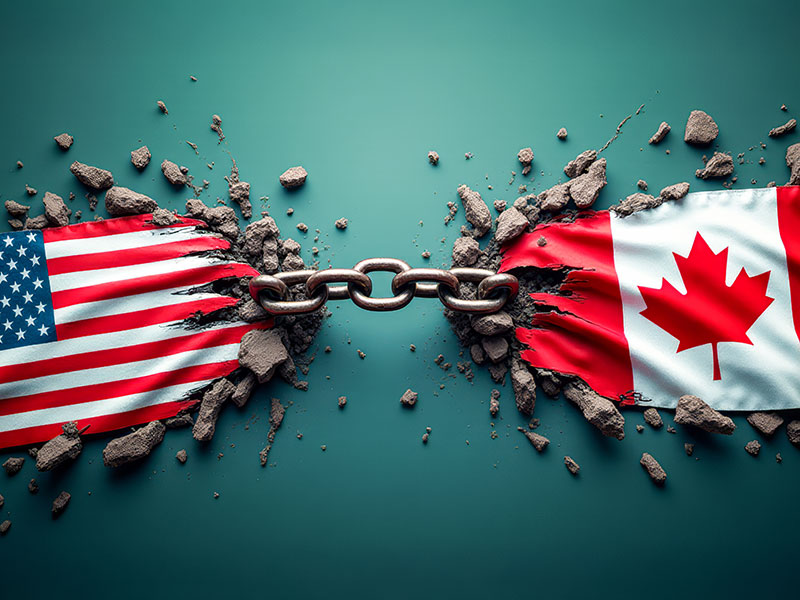
“The bigger concern is the damage to the bilateral trading relationship,” the report said. “The breakdown in negotiations, combined with tariffs on traded goods that had previously been protected under CUSMA, raises doubts about the reliability and durability of future agreements.”
That elevated uncertainty “could weigh more persistently on business confidence and investment,” it said — although increased uncertainty is increasingly being accepted as the new normal.