

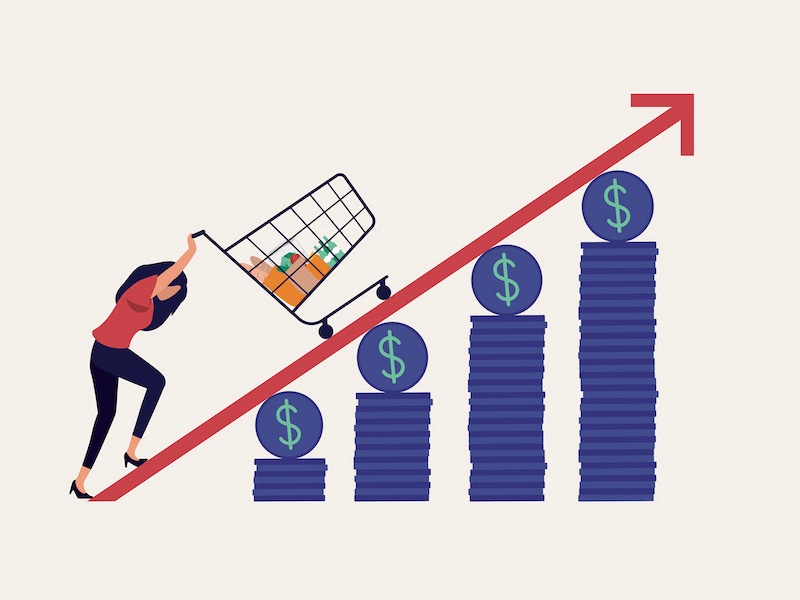
July’s rebound in gas prices pushed the annual rate of inflation up to 3% last month even as there were signs cost pressures were easing at the grocery store, Statistics Canada said Monday.
The acceleration in the consumer price index for July comes after inflation fell to 2.8% in June. Heading into Monday’s release, most economists had expected inflation would rise just a tick to 2.9%.
Volatility in gasoline prices was once again to blame for changes in the consumer price index.
Progress on peace talks between the United States and Iran helped tame energy prices and cooled inflation sharply in June, but renewed hostilities in the Middle East last month pushed global oil prices higher again.
Excluding gas, the consumer price index rose 2.2% in July for a third consecutive month, Statistics Canada said.
Higher jet fuel prices contributed to a 12% hike in the cost of airfares last month, up from 9.6% in June, the agency said.
Travel tour costs also accelerated sharply in July, which Statistics Canada attributed to more expensive hotels and flights to U.S. destination cities that were hosting FIFA World Cup games.
Helping to offset those cost pressures in July was some relief at the grocery store. Statistics Canada said inflation for food bought from the store cooled to 3.1% in July, down from 3.9% in the previous month.
Slowing price hikes for fresh vegetables and chicken products, as well as lower prices for cereal products, drove the decline. Inflation for fresh fruit meanwhile accelerated to 6.1% from 1.7% previously as prices rose for berries and melons.
Despite the slowdown, grocery store inflation has now outpaced the all-items consumer price index for 18 consecutive months.
The July inflation figures mark the Bank of Canada’s last look at price data before its next interest rate decision on Sept. 2.